by
by When I was younger, I never imagined I would one day struggle to fall asleep.
Back then, sleep came easily. I would lie down, close my eyes, and within ten minutes I’d be completely asleep. Deep sleep. Restful sleep. The kind where the alarm clock didn’t wake me because I was already naturally refreshed. Even when I dreamed, the dreams were peaceful and beautiful—the kind that made me wish I didn’t have to wake up.
But as the years passed, something changed.
Sleep became fragile.
After a long, busy day—meetings, responsibilities, endless tasks—my body would feel exhausted. My eyes would be heavy. My shoulders tense. Yet the moment I lay down in bed, my mind refused to rest.
I was tired… but wide awake.
If this sounds familiar, you’re not alone.
The Real Problem: What You’re Doing Before Bed
Most people think insomnia is caused by stress or age alone. But very often, the real problem is one simple habit: using your phone in bed.
Scrolling social media. Watching short videos. Checking emails “one last time.”
It feels harmless—even relaxing. But scientifically, it does the opposite.
Blue light from screens suppresses melatonin, the hormone responsible for sleep. When melatonin production is reduced, your brain thinks it’s still daytime. On top of that, the constant stimulation keeps your brain active and alert. Your sympathetic nervous system—the “fight or flight” system—remains switched on.
Instead of calming down, your brain stays busy.
So even though your body is physically tired, your mind is overstimulated. And that is why you can’t fall asleep.
The Solution: Change the Environment, Calm the Nervous System
The good news? You don’t need complicated solutions. You just need to change your bedtime routine.
Here’s a simple approach:
1. Put away screens 30–60 minutes before bed.
Let your brain gradually power down.
2. Do light stretching or deep breathing.
Even five minutes of slow breathing signals your body that it’s safe to relax.
3. Create a calming sleep environment.
This is where aromatherapy can make a real difference.
Certain scents—like lavender and chamomile—have been shown to promote relaxation. When you inhale calming essential oils, your olfactory system sends signals directly to the limbic system, the emotional center of your brain. This helps activate your parasympathetic nervous system—the “rest and digest” mode.
In simple terms: your body shifts from alertness to relaxation.
You can use aromatherapy in different ways:
- Spray a light mist onto your pillow before bed
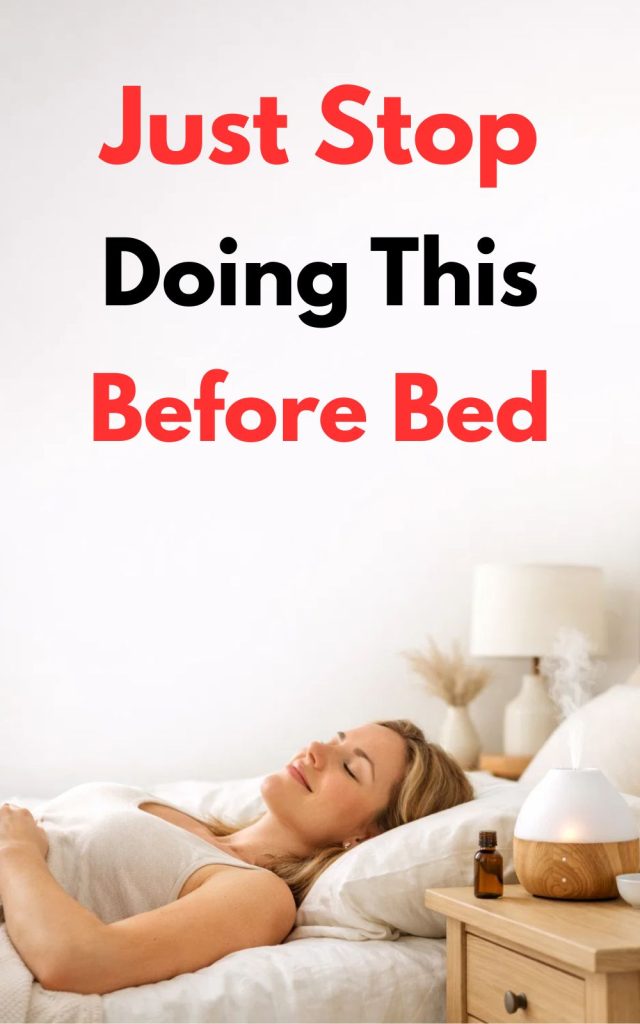
- Use an essential oil diffuser in your bedroom
- Apply a small amount of diluted oil to your wrists
The scent becomes a gentle signal to your brain: it’s time to sleep. Over time, your body begins to associate that fragrance with rest.
What Happens When You Combine Habit + Aroma
Many people notice a difference surprisingly quickly.
Some report feeling calmer within 5 to 10 minutes of using lavender before bed. Others find that after a week of consistent use, they fall asleep faster and wake up less during the night.
One friend shared that she used to toss and turn for nearly an hour every night. After replacing her late-night scrolling with reading and diffusing chamomile oil, she noticed her mind quieting much sooner.
The key isn’t the product alone. It’s the combination:
Remove the stimulating habit + Introduce a calming cue.
When you stop overstimulating your brain and start actively supporting relaxation, sleep becomes natural again.
Tonight, Try This Small Change
You don’t need to overhaul your entire lifestyle.
Just stop doing that one thing before bed—endless scrolling—and replace it with a calming ritual.
Dim the lights. Put your phone away. Breathe deeply. Let a soft lavender scent fill the room.
Sleep is not a luxury. It’s the foundation of mental clarity, emotional balance, and physical health.
Sometimes, the difference between a restless night and deep sleep isn’t medication or complicated solutions. It’s a small, intentional change.
Choose the right aromatherapy scent that suits you, and allow your evenings to become peaceful again.
Tonight could be the beginning of better sleep.