by
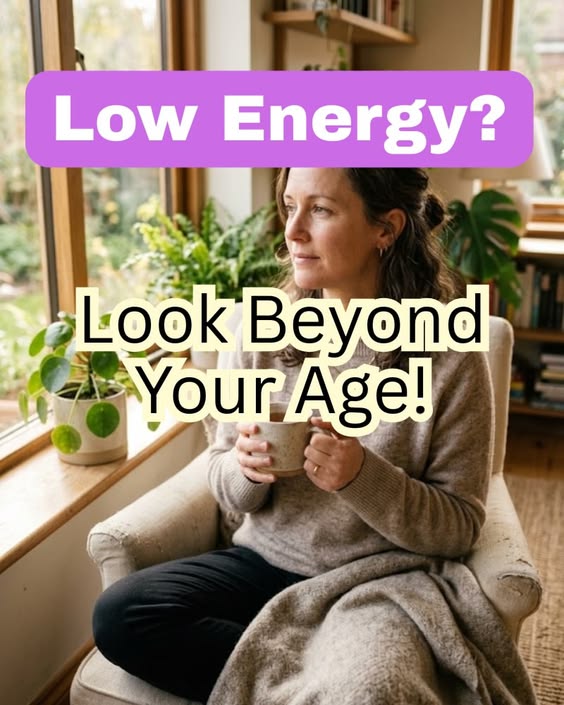
by There is a point in life when we start noticing small changes that we didn’t pay much attention to before.
Maybe getting through the day takes a little more effort. Maybe the legs don’t feel quite as strong. Maybe sleep isn’t as refreshing, even after spending enough hours in bed.
And because these things often happen after 40, the easiest explanation is usually age.
Sometimes that may be part of it. But it is not always the whole story.
The body doesn’t suddenly change because we had a birthday. Usually, several things have been changing in the background for a while. What we eat, how much we move, how well we sleep, how much stress we carry, and hormonal changes can all overlap.
That can make it difficult to know what is actually going on.
Start with the food you eat every day
One thing that is easy to overlook is protein.
Not because people suddenly decide they don’t want protein. It is usually much less obvious than that.
Breakfast gets smaller. Lunch is rushed. Dinner might be mostly rice and vegetables with just a small amount of meat. Perhaps we have been trying to eat lighter, eat less, or lose a little weight.
After a while, the total amount of food we eat can be quite different from what it used to be.
This matters because protein is needed to maintain and repair muscle. And muscle is not only important for people who go to the gym.
We use it when we walk, climb stairs, carry shopping bags, get up from a chair, or simply stand for a long time.
As we get older, maintaining muscle becomes more important because losing muscle gradually becomes easier.
This doesn’t mean that feeling tired automatically means you need more protein. It also doesn’t mean everyone should start drinking protein shakes.
But it is worth looking at the basics.
If your meals have become smaller or lighter over the years, how much protein are you actually getting in a normal day?
That question is sometimes more useful than simply saying, “I’m getting older.”
There are other nutrients to think about too
Protein is only one part of the picture.
Iron, vitamin B12 and vitamin D are also important, although they do very different jobs in the body.
Iron and B12 are involved in red blood cell production and normal nervous system function. Vitamin D is involved in bone and muscle health, among other things.
The tricky part is that tiredness doesn’t tell us exactly what the problem is.
Someone can feel exhausted because of poor sleep. Someone else may not be eating enough. Another person may have an iron or B12 problem. And sometimes fatigue has nothing to do with nutrition at all.
That is why I don’t think it is a good idea to look at one symptom and immediately buy a collection of supplements.
It is better to look at the whole picture.
Has your diet changed? Are you eating enough? Are you sleeping differently? Have you become less active? Has your stress level gone up?
And if the tiredness is persistent, unusual, or getting worse, it is worth discussing it with a healthcare professional. They can decide whether blood tests or other checks are appropriate.
Sometimes the answer is surprisingly simple. Sometimes it needs more investigation.
Sleep can change without us realizing how much
Sleep is another area where things can look fine on paper.
You may be going to bed at a reasonable time and spending seven or eight hours in bed. Yet you wake up and still feel like you could use another few hours.
There are many reasons for this.
You might be waking during the night. You might be waking too early. You might be sleeping lightly. Stress can also make it harder to get the kind of rest you actually need.
And stress doesn’t always feel dramatic.
It can be a lot of small things that never seem to stop. Work. Family. Money. Household responsibilities. Messages that need answering. Things that need to be remembered.
None of these things alone has to be overwhelming.
But when there is always something on your mind, switching off at night can become difficult.
Then the lack of sleep affects the rest of the day.
You don’t feel like exercising. You have less energy to prepare a proper meal. You may reach for more caffeine. Small problems become more irritating than they normally would.
After a while, it can feel as though your whole body has slowed down.
It is easy to put that under the heading of “getting older.”
But sometimes what we are really seeing is poor recovery.
What about hormones and menopause?
Hormonal changes are also part of the conversation for many women in their 40s and 50s.
Perimenopause and menopause can bring changes in sleep, energy, mood, body composition and many other things.
So yes, hormones can matter.
But hormones don’t necessarily explain everything either.
A woman can be going through hormonal changes while also eating less protein, sleeping badly and moving less than she used to.
Those things can happen together.
That is one reason it can be frustrating to figure out why we suddenly don’t feel like ourselves.
There may not be one single cause.
And sometimes the goal shouldn’t be to find one.
Instead, it may be more useful to look at what has changed over the past few years and see which parts of our daily life need more attention.
Maybe meals need a little more protein.
Maybe sleep needs to become a bigger priority.
Maybe we need to start moving regularly again, even if we cannot exercise the way we did at 30.
Maybe something needs to be checked by a doctor.
It doesn’t have to be one or the other.
Getting older doesn’t mean ignoring the changes
There is nothing unusual about the body changing with age.
We cannot expect to recover exactly the way we did at 25, and hormonal changes are a normal part of life.
But there is a difference between accepting normal changes and assuming that every new problem is simply because we are older.
If your energy has dropped, your strength feels different, or you have been feeling tired for weeks or months, it is worth paying attention.
Not with panic.
Just with curiosity.
Look at the food you are eating. Look at your sleep. Look at how much you move. Think about your stress. And if something doesn’t feel right, don’t be afraid to get it checked.
Age may be part of the answer.
It just doesn’t have to be the entire answer.