by
by The Mediterranean diet is one of the most talked-about eating patterns in the world. Many experts praise it for its health benefits, yet plenty of people still wonder whether it’s really worth following. Is it the right choice for everyone, or just another popular nutrition trend?
What Is the Mediterranean Diet?
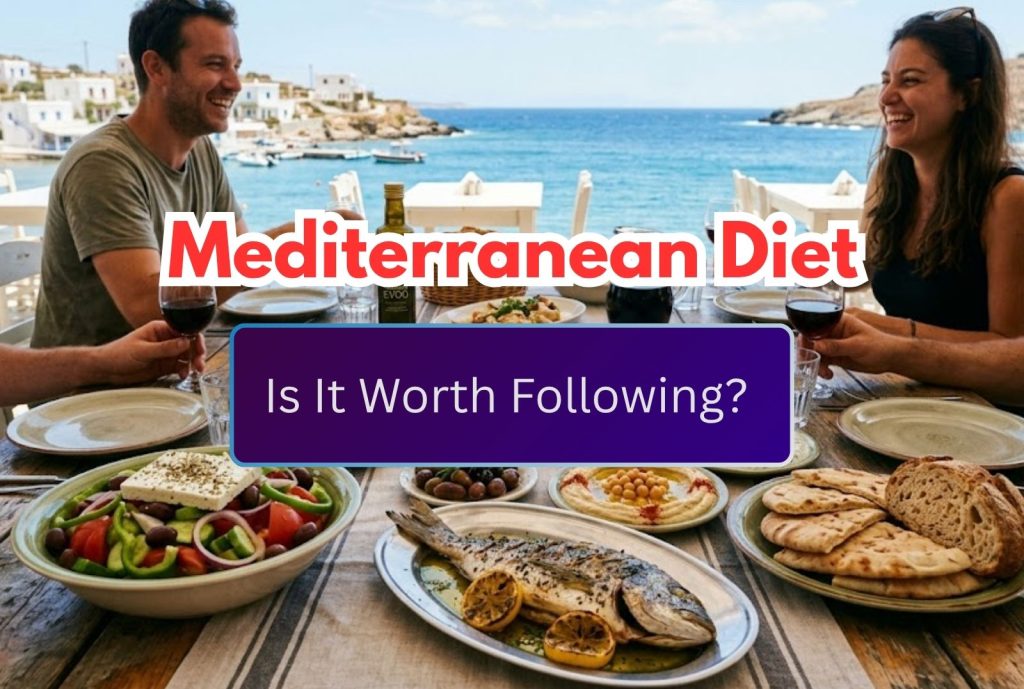
Despite its name, the Mediterranean diet isn’t a strict meal plan or a list of foods you must eat every day. Instead, it’s a long-term eating pattern inspired by the traditional diets of countries bordering the Mediterranean Sea.
The focus is on eating more whole, minimally processed foods, including vegetables, fruits, legumes, whole grains, nuts, seeds, olive oil, and fish. Herbs and spices are often used to add flavor instead of relying on excessive salt. At the same time, processed foods, sugary drinks, refined grains, and processed meats are kept to a minimum.
Unlike many popular diets, the Mediterranean diet doesn’t require counting calories or eliminating entire food groups. The goal is to create a balanced way of eating that can be maintained for years rather than just a few weeks.(1)
Why Has the Mediterranean Diet Become So Popular?
One reason the Mediterranean diet continues to receive attention is the amount of scientific research supporting it. Over the years, many studies have linked this eating pattern with better heart health, healthier cholesterol levels, improved blood sugar management, and reduced inflammation.
Researchers also suggest that people who follow a Mediterranean-style diet may have a lower risk of certain chronic diseases and may support healthy aging. While no diet can guarantee disease prevention, this eating pattern has one of the strongest bodies of scientific evidence behind it.
Another reason for its popularity is that it feels realistic. Instead of focusing on restriction, it encourages eating more nutritious foods while still allowing flexibility for different lifestyles and cultures.
Is It Really Worth Following?
The answer depends on what you’re hoping to achieve.
If your goal is better overall health
For many people, the answer is yes.
The Mediterranean diet encourages a wide variety of nutrient-rich foods that provide fiber, healthy fats, vitamins, and minerals. Because there are no complicated rules, many people find it easier to stick with compared to highly restrictive diets.
Small changes—such as replacing butter with olive oil, eating more vegetables, or choosing fish more often—can already move your eating habits closer to a Mediterranean-style pattern.
If your goal is rapid weight loss
The Mediterranean diet may not be the fastest option.
Unlike ketogenic diets, fasting plans, or crash diets, it isn’t designed for quick results. Weight loss usually happens gradually because people naturally eat more filling, whole foods and fewer ultra-processed foods.
If your priority is building healthier habits that you can maintain for years, this slower approach may actually be an advantage.
If you don’t enjoy cooking
This eating pattern may require a little more effort.
Fresh ingredients, home-cooked meals, and meal preparation are common parts of the Mediterranean lifestyle. If you frequently rely on takeout or convenience foods, transitioning to this way of eating may take some planning.
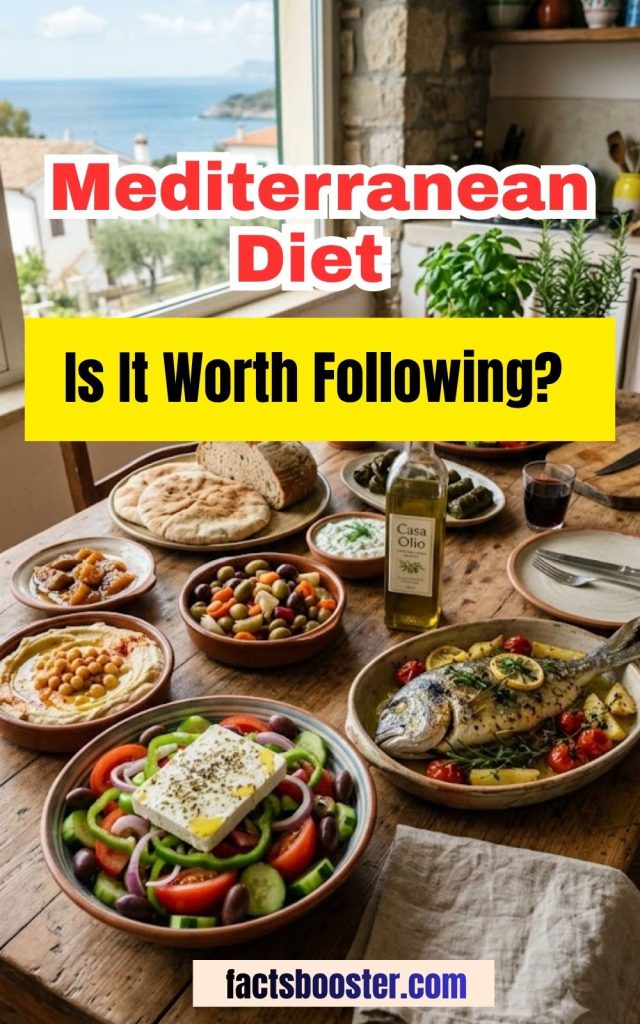
However, meals don’t have to be complicated. A simple plate of grilled fish, vegetables, brown rice, and olive oil already fits the Mediterranean style.
If you’re worried about the cost
Many people believe the Mediterranean diet is expensive because they think of salmon, specialty olive oils, or imported products.
In reality, it doesn’t have to be.
Affordable foods such as beans, lentils, oats, frozen vegetables, canned tuna or sardines, eggs, seasonal produce, and whole grains all fit within the Mediterranean eating pattern. Buying what’s available locally and in season can help keep costs reasonable while still following its basic principles.
Common Misconceptions About the Mediterranean Diet
Myth 1: You have to eat Mediterranean food.
Not at all.
The Mediterranean diet is about an eating pattern rather than specific recipes. You can enjoy Asian, Indian, Mexican, or other cuisines while following the same principles—more vegetables, whole grains, legumes, healthy fats, and less ultra-processed food.
Myth 2: You need expensive extra virgin olive oil.
While olive oil is an important part of the diet, you don’t need the most expensive bottle on the shelf. Consistently choosing healthier cooking fats is generally more important than buying premium products.
Myth 3: You must drink wine.
This is one of the biggest myths.
Although wine is sometimes associated with Mediterranean culture, it isn’t required. If you don’t drink alcohol, there’s no need to start. You can still enjoy the health benefits of the Mediterranean eating pattern without wine.
Myth 4: You have to follow it perfectly.
Perfection isn’t the goal.
Having an occasional dessert, takeaway meal, or family celebration doesn’t mean you’ve failed. Long-term consistency matters much more than trying to eat perfectly every day.
Is the Mediterranean Diet Worth Following?
For most people, the answer is yes—but probably not for the reasons you might expect.
The Mediterranean diet isn’t about chasing the latest nutrition trend or following strict rules. It’s about choosing more whole foods, eating a wider variety of plant-based ingredients, using healthier fats, and building habits that are realistic enough to maintain over time.
You don’t need to completely change the way you eat overnight. Even small changes, like adding an extra serving of vegetables, replacing refined grains with whole grains, or cooking at home more often, can move you toward a healthier eating pattern.
Rather than asking whether you should follow the Mediterranean diet perfectly, a better question may be: Which Mediterranean habits can you realistically add to your daily life? Those small, sustainable changes are often what make the biggest difference in the long run.